
【ニュース解説動画】南極の雪からマイクロプラスチック検出|ロス島で何が起きている?
このニュース解説は以下のTech Sparkの記事をもとにしています。
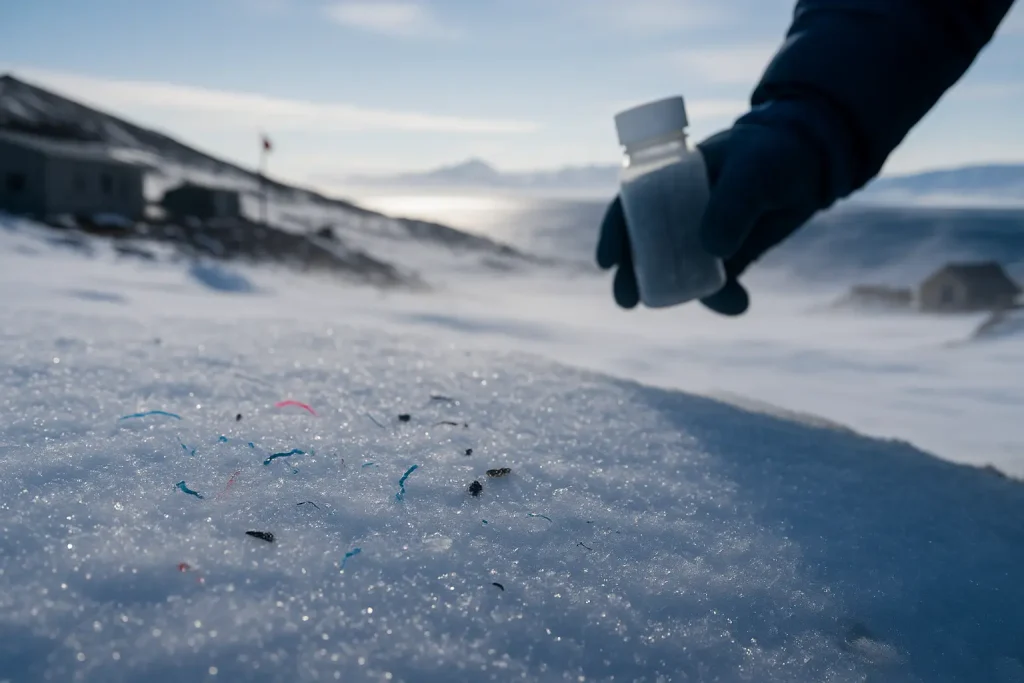
南極の雪にも拡がるマイクロプラスチック汚染
南極ロス島の新しく降った雪(新雪)から、平均29.4粒/リットルのマイクロプラスチックが見つかりました。最も多かったのはPET(ペットボトルなどの素材)で、糸くずのような繊維が中心です。研究基地の近くほど数が多く、風に乗 […]

<日本語> ニュース解説動画
南極・ロス島周辺で採取された新雪(降ったばかりの雪)から、マイクロプラスチックが検出された研究結果を解説します。調査では、新雪1リットルあたりの粒子数が報告され、研究基地の近くで多くなる傾向も示されました。
検出された粒子は、PET(ペットボトルなどに使われる素材)が多く、形は糸くずのような繊維が中心でした。発生源としては、基地で使う衣類や装備などの摩耗(すり減り)に加え、風に乗った長距離輸送も考えられています。
また、暗い色の粒子は太陽光を吸収しやすく、雪や氷がとけやすくなる(アルベド低下)リスクが指摘されています。対策として、排水で繊維を捕まえる仕組み(フィルター等)や、摩耗しにくい素材への見直しなどが挙げられています。
この報告は、隔離されて見える南極でも、プラスチック汚染の影響を受けうる現実を示しています。
<English> News Explainer video
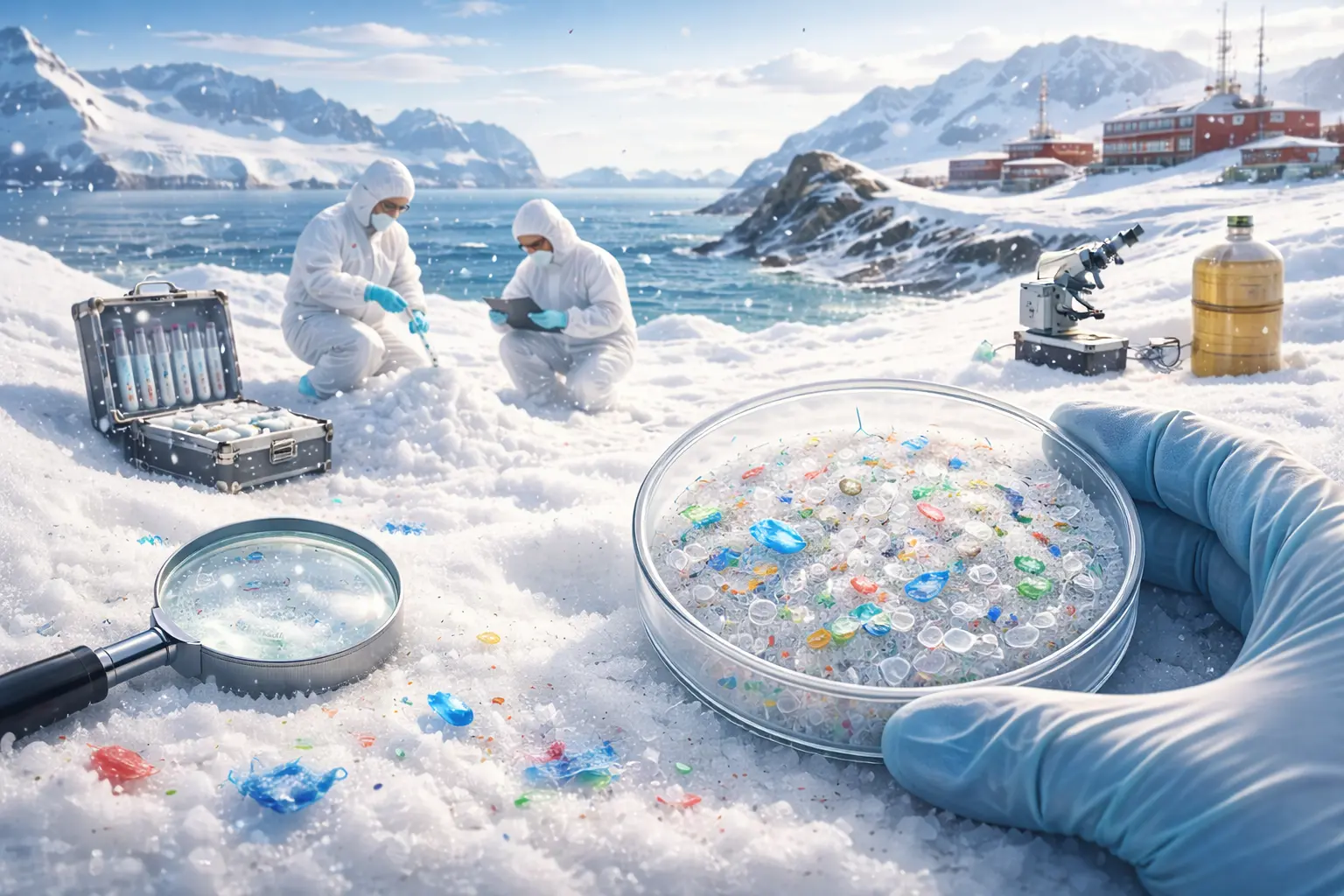
A study reported the detection of microplastics in freshly fallen snow collected around Ross Island, Antarctica. The research described particle counts per liter and noted that levels tended to be higher near research stations.
Many of the detected particles were PET, mainly in the form of fibers. Possible sources include wear and tear from clothing and equipment used at research bases, as well as long-range transport by wind.
The report also highlights a potential risk: darker particles may absorb sunlight and contribute to faster snow and ice melt (reduced albedo). Suggested measures include capturing fibers in wastewater (e.g., filters) and switching to more wear-resistant materials.
Overall, the findings suggest that even Antarctica can be affected by plastic pollution linked to human activity.
【解説記事】#007 [Latest High-Tech #02] 次に社会を変えるのはどの技術か?AIの次を担う先端テクノロジーNew!!