
【ニュース解説動画】文章や写真から曲が作れる?Google「Lyria 3」の実力
このニュース解説は以下のTech Sparkの記事をもとにしています。
Geminiで音楽が作れる?GoogleのAI「Lyria 3」の実力
Googleの対話型AI「Gemini」に、音楽生成AIモデル「Lyria 3」が統合されました。音楽生成AIを使うと、文章で雰囲気を指定したり、写真や動画のイメージを渡したりして、最長30秒の楽曲を作れます。音楽生成A […]

<日本語> ニュース解説動画
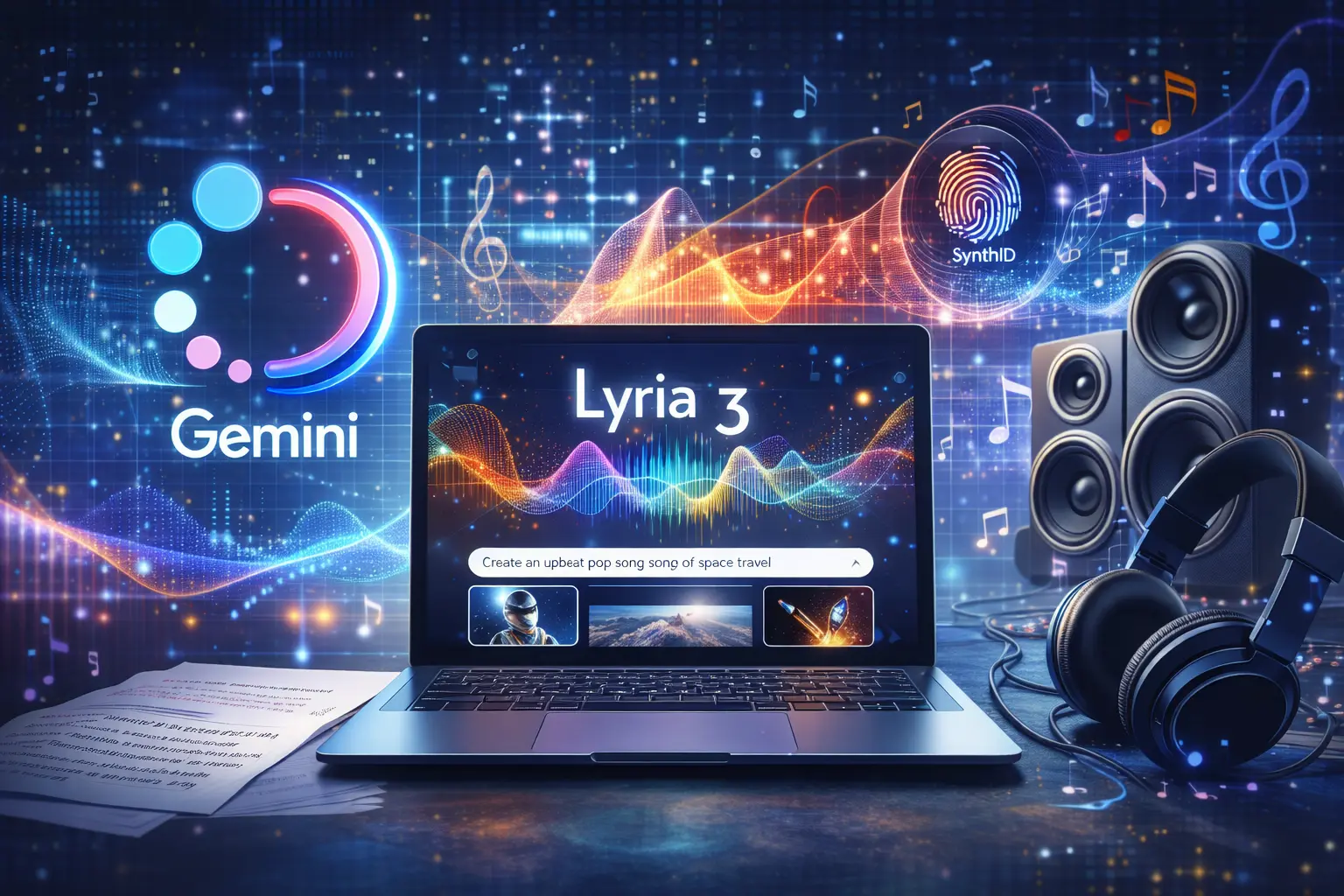
Googleの対話型AI「Gemini」に統合された音楽生成AI Lyria 3 の機能と特徴を解説します。Lyria 3は、文章だけでなく、写真や動画をもとに最長30秒の楽曲を作れるのが特徴で、歌詞・ボーカル入りにもインストゥルメンタルにも対応しています。
また、音楽生成AIで重要になる著作権やフェイク対策にも注目が集まっています。Lyria 3では、AI生成音源を見分けやすくする電子透かし技術「SynthID」を採用し、特定アーティストの直接的な模倣を避ける仕組みや、既存曲との一致を抑える対策も示されています。
記事では、SunoやTuneeなど他の音楽生成AIとの違いにも触れながら、どんな目的にどのツールが向いているかを整理しています。音楽生成AIの広がりによって、専門知識がなくても動画BGMや短い楽曲を作りやすくなる一方で、利用規約や権利条件を理解して使うことの重要性も高まっています。
<English> News Explainer video
This article explains the features of Lyria 3, Google’s music generation model integrated into Gemini. One of its key strengths is that users can create up to 30-second music tracks not only from text prompts, but also from images and videos. It supports both instrumentals and tracks with lyrics and vocals.
The article also highlights issues that matter in music AI, including copyright protection and anti-fake measures. Lyria 3 uses SynthID, a digital watermarking technology designed to help identify AI-generated audio, and Google also describes safeguards to reduce direct imitation of specific artists and limit similarity to existing songs.
It also compares Lyria 3 with other music AI services such as Suno and Tunee, showing how tool selection depends on the user’s purpose. As music AI becomes more accessible, it is making creative work easier for non-experts, while also increasing the importance of understanding usage rules and rights conditions.
【解説記事】#009 [Latest AI #03] 新AIは“検索”をどう変えるのか|調べるという行動の未来New!!